
01 No Poverty
01-02 Percentage of students who received financial assistance to enroll in university due to poverty
01-02-01
Number of students:
12,565
01-02-02
Number of low-income students receiving financial assistance:
9,105
Studying at Abbes Laghrour University Khenchela is completely free of charge for both Algerian and international students. Admission requires only obtaining the Baccalaureate Certificate, while certain programs with limited capacity are subject to ranking criteria.
This system is founded on well-established constitutional and legal principles. Article 53 of the Algerian Constitution stipulates that:
“The right to education is guaranteed. Education is free of charge. Basic education is compulsory. The State works to generalize secondary education and guarantees equal opportunities in access to education and vocational training.”
This principle also applies to higher education. Furthermore, Law No. 99-05 relating to the orientation of higher education establishes that higher education in Algeria constitutes a public service provided free of charge by the State, based on the principles of equality and equal opportunity among all students.
In addition, Law No. 08-06, which regulates the higher education system, reinforces this principle by confirming free access to public higher education institutions, with the State covering all training costs.
Moreover, the State provides monthly financial allowances to all Algerian and foreign students without exception, adjusted according to the level of study, in accordance with the Ministerial Decree of August 3, 2021, which defines the conditions and amounts of such financial assistance. This policy strengthens the principle of equal educational opportunities and ensures the sustainability of free higher education in Algeria.
The Algerian Constitution
https://www.globalhealthrights.org/wp-content/uploads/2015/03/Algeria-Constitution-2008-Arabic.pdf
Law No. 99-05 of 4 April 1999 on the Orientation Law for Higher Education
https://vrp.univ-batna.dz/images/documents/lois_reglements/enseignant/loi_9905__04_04_1999_ar.pdf
Ministerial Decree dated 3 August 2021 on the allocation of financial assistance to Algerian and foreign university students, defining the conditions and amounts of such assistance
https://drive.google.com/file/d/1zlH6bTo9AWF2ZyQNTGeZj2ZYE1W66XP4/view
Decision to abolish the requirement to cap parental income in order to receive financial assistance
https://drive.google.com/file/d/1tMMuNnlAEyTT8IKAyPdnZCw8zDcDSLEP/view
01-03
University Programs to Combat Poverty
01-03-01
Does your university, as an institution, have targets for admitting students who fall within the lowest 20% of household income groups (or a more specific target) in the country?
Yes. The admission policy at Abbes Laghrour University Khenchela is based on the principle of equality and equal opportunity, as enshrined in the Constitution and national legislation. Admission to higher education institutions is governed by the National Automated Placement System, which allocates university placements solely based on Baccalaureate examination results, without any consideration of a student’s economic or social background.
National Automated Placement System
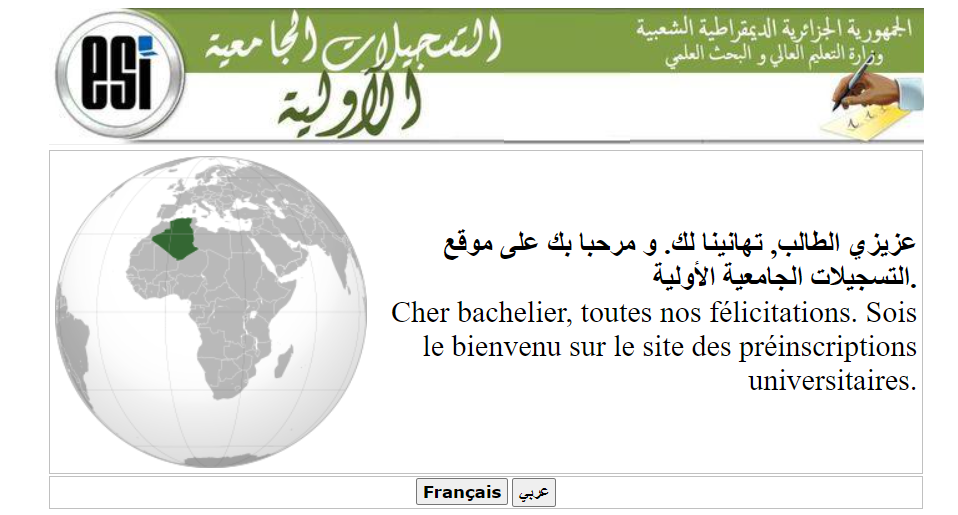
https://www.orientation-esi.dz
This system represents a model of fairness in educational opportunities, as all applicants are assessed solely on the basis of merit and academic achievement, ensuring transparency and equality in university access.
In parallel, the State embodies the principle of social justice through a strong and comprehensive social support system that enables all students, regardless of their financial circumstances, to pursue university studies under favorable conditions. This support includes monthly financial allowances, free university housing, as well as free meals and transportation for all students without exception. Such measures ensure students’ ability to continue their higher education without financial obstacles.
Abbes Laghrour University Khenchela does not apply any social or ethnic quota system in university admissions. However, national policies take into account regional balance by establishing new higher education institutions in remote and disadvantaged areas, with the aim of bringing higher education closer to citizens and promoting local development.
A notable example of this effort is the opening of the Faculty of Medicine branch at Abbes Laghrour University Khenchela in 2024, which was established to expand access to specialized university education in the country’s interior regions.
Opening of the Faculty of Medicine at Abbes Laghrour University Khenchela
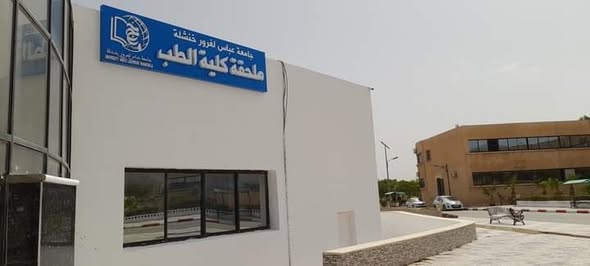
Website of the Faculty of Medicine Annex at Abbes Laghrour University Khenchela
01-03-02
Does your university, as an institution, have targets for graduation/completion among students who fall within the lowest 20% of household income groups (or a more specific target) nationally? (Locally)
Yes. The general policy of Abbes Laghrour University Khenchela is founded on the principle of equality and equal opportunity for all students, without any discrimination based on social or economic background. In alignment with the national higher education policy, the university works to ensure the success and continuity of all students through a comprehensive and free social support system, which includes financial assistance, housing, transportation, and catering services.
These mechanisms provide students from low-income families with equal opportunities to enroll, study, and graduate, thereby effectively realizing the principle of equity in access to and completion of higher education.
01-03-03
Does your university provide support (such as food, housing, transportation, or legal services) to students from low-income families to enable them to complete their university studies?
Yes. With the support of the Algerian State, Abbes Laghrour University Khenchela places great emphasis on the social dimension of university life through a comprehensive and integrated support system targeting all students without exception.
This system aims to enable students to pursue their university education under favorable conditions while reducing the financial burden on their families.
Financial Assistance Platform (Financial Aid)
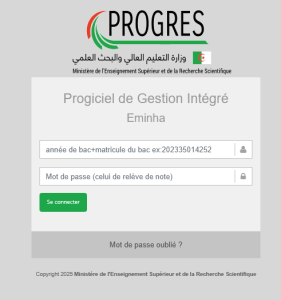
https://progres.mesrs.dz/eminha/login.xhtml
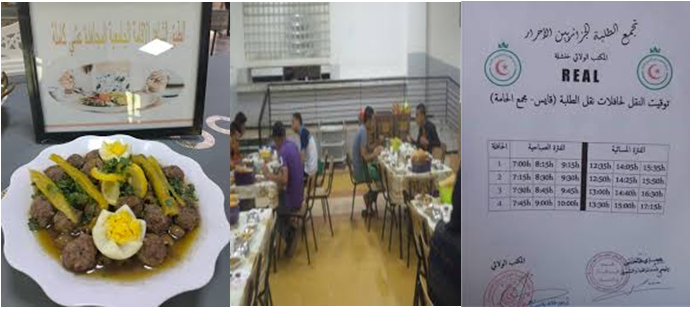
This support includes university catering services, which provide three complete meals (breakfast, lunch, and dinner) daily. These services are available to all students through five restaurants located within university residences, in addition to two central restaurants situated in El Hamma and at the Abdelhak Brarahi University Campus.
This system ensures that students benefit from balanced and nutritious daily meals, contributing to their well-being and academic performance.
Central Restaurant – Abdelhak Brarahi University Campus
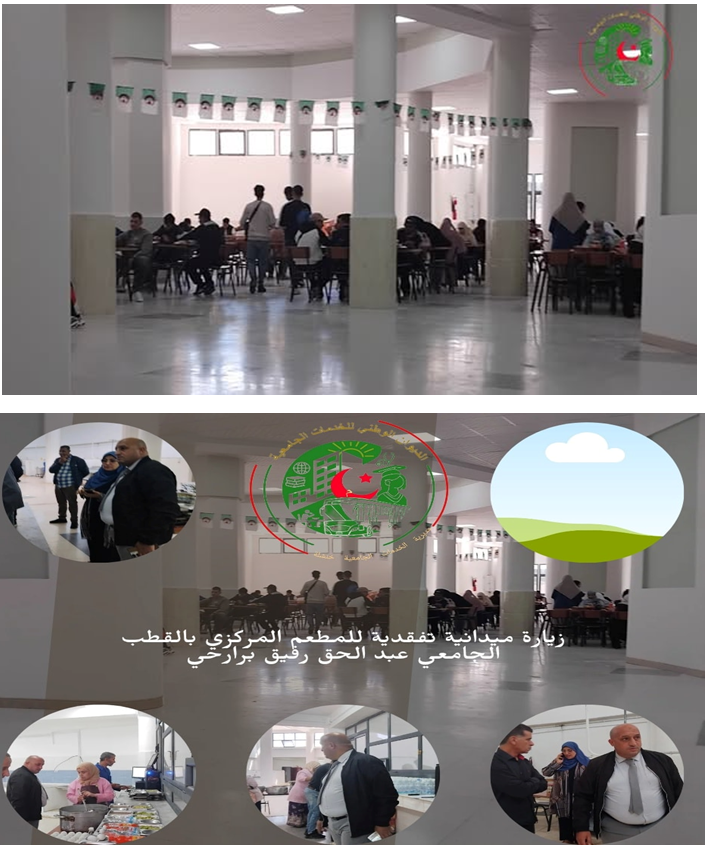
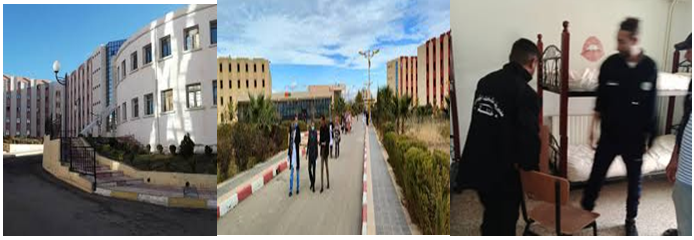
The university housing service is also provided free of charge for students. Accommodation is offered across seven fully equipped university residences, providing all essential services, including comfortable rooms, dining facilities, medical services, libraries, and internet access.
Abbes Laghrour University Khenchela currently operates six university residences, as follows:
University Residence – 2000 Beds, Khenchela
University Residence – 19 May
University Residence – 1500 Beds (Girls), Khenchela
University Residence – 2000 Beds, Khenchela 1 (HakkarZerfa)
University Residence – 500 Beds, Khenchela
University Residence – Soufi Fatma
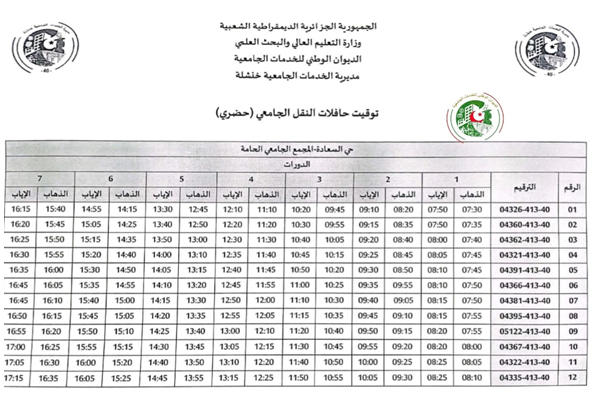
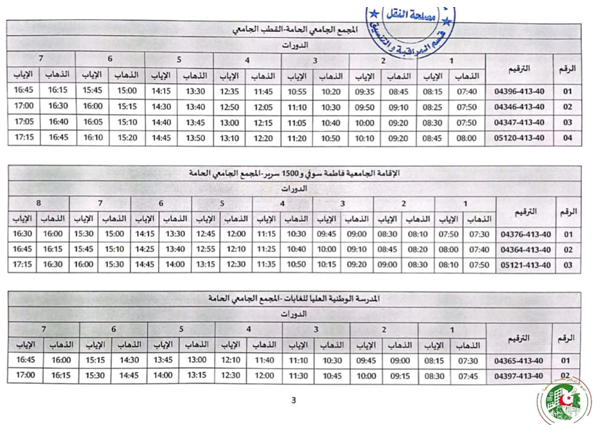
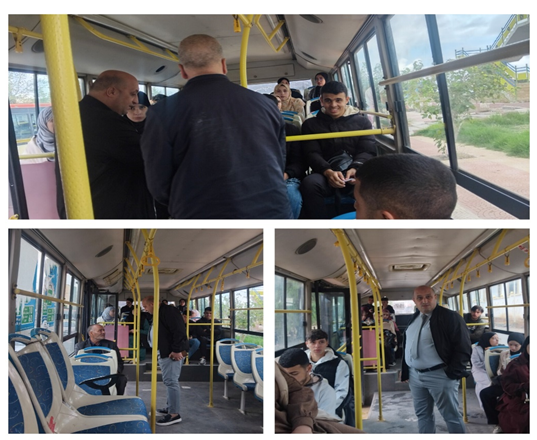
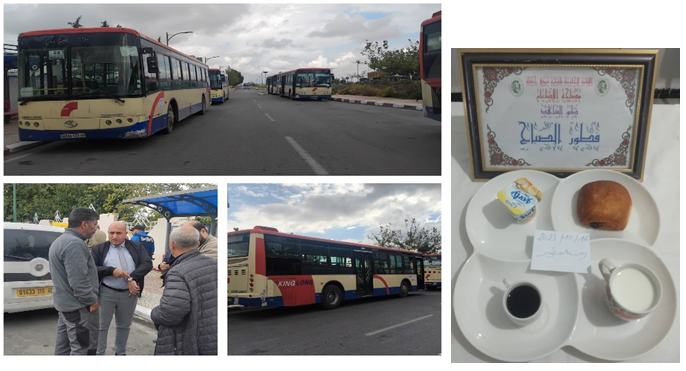
In addition, Abbes Laghrour University khenchela provides a free university transportation service, operating regularly at all times between the residences and faculties, as well as between various municipalities. This service benefits thousands of students each year, ensuring safe and reliable mobility for all.
University Transportation Schedule
The amount of financial assistance provided at Abbes Laghrour University Khenchela varies according to the level of study. It amounts to approximately 2,000 DZD per month for undergraduate (*Bachelor’s*) students, 1,950 DZD for first-year *Master’s* students, 2,400 DZD for second-year *Master’s* students, and 12,000 DZD per month for *Doctoral* students.
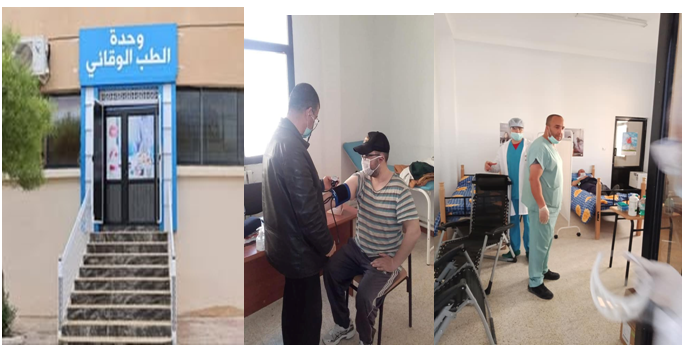
To ensure students’ psychological and social well-being, the university residences include psychological, social, and health support units that provide counseling and assistance to students facing psychological, social, or academic difficulties. In addition, several student clubs actively organize awareness campaigns and solidarity initiatives, fostering a sense of belonging, mutual support, and community spirit within the university environment.
Preventive Medicine Unit – Abbes Laghrour University Khenchela
The number of students benefiting from university housing is 4,000,
the number of students receiving transportation assistance is 7,733,
and the number of students receiving financial aid is 9,105.
01-03-04
Does your university, as an institution, have programs or initiatives to assist students who fall within the lowest 20% of household income groups (or a more specific target) in the country to successfully complete their studies?
Abbes Laghrour University Khenchela is committed to promoting the principle of equal opportunity in higher education by adopting a range of programs and initiatives specifically designed to support all students without exception. All students benefit from financial assistance, and the university provides free supportive services, including university transportation, accommodation in student residences, meals in residences, and healthcare services across university facilities.
These measures help reduce the financial burden on students, including those from low-income families, thereby contributing to the fulfillment of the United Nations Sustainable Development Goals, particularly Goal 1: No Poverty and Goal 4: Quality Education.
01-03-05
Does your university, as an institution, have plans to support low-income students from low- or middle-income countries (e.g., by providing free education or scholarships)?
In line with its commitment to academic solidarity and international openness, and in coordination with the Ministry of Higher Education and Scientific Research, Abbas Laghrour University – Khenchela implements a support policy aimed at foreign students from low- and middle-income countries, particularly from Africa and the Arab world.
This policy is embodied through the Foreign Students Financial Aid Program, which annually provides a significant number of full scholarships under bilateral and multilateral cooperation agreements, as well as cultural exchange programs and South–South cooperation initiatives.
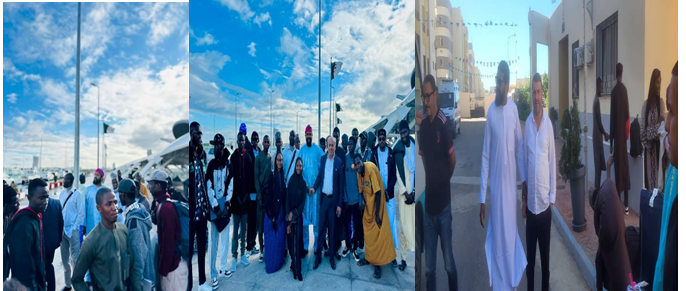
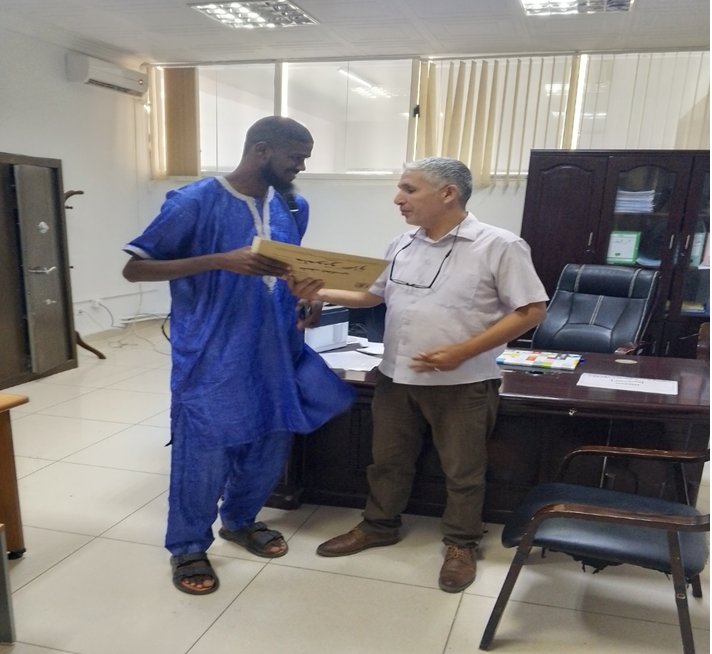
Currently, 10 students are pursuing their studies at Abbes Laghrour University Khenchela: 8 from Mauritania and 2 from Mali.
Photos of foreign students being welcomed at the airport
Handing over the first Master’s degree to the foreign student
These scholarships include:
Completely free university education;
Free, fully equipped university accommodation;
A symbolic monthly financial allowance to cover basic expenses;
Healthcare services within university facilities;
Administrative assistance and support with visa and residency procedures;
Preparatory Arabic language courses for non-native speakers.
In addition, the university participates in Erasmus+ programs and short-term academic mobility programs, which enhance its international profile and its ability to attract students from diverse social and economic backgrounds.
Erasmus+ Program
International Cooperation Agreements with Universities
https://www.univkhenchela.dz/%D8%A7%D9%84%D8%A5%D8%AA%D9%81%D8%A7%D9%82%D9%8A%D8%A7%D8%AA-%D8%A7%D9%84%D8%AF%D9%88%D9%84%D9%8A%D8%A9
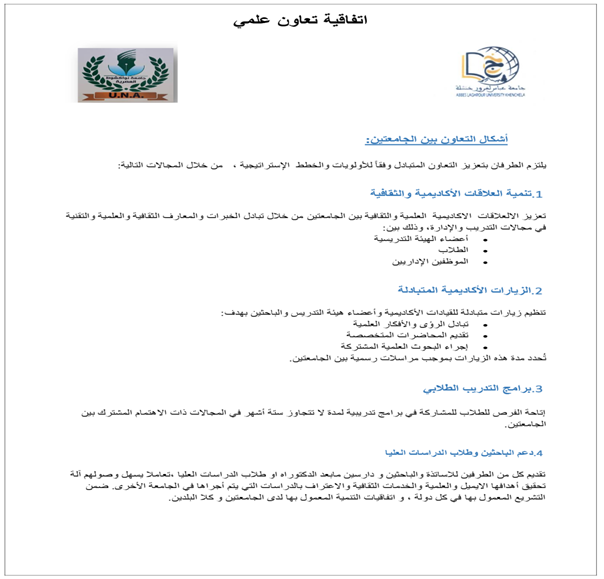
Cooperation Agreement: Abbes Laghrour University Nouakchott Al-Asriya University, Mauritania
Solidarity with foreign students
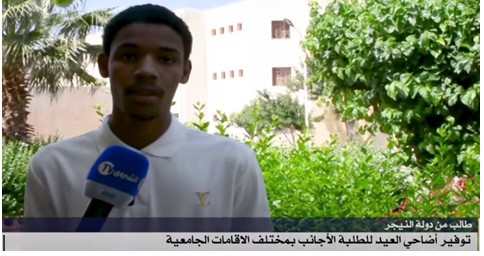
This policy reflects a solidarity- and humanitarian-oriented approach, promoting educational equity and cultural diversity within the university campus, rather than being driven primarily by economic or competitive considerations. It aligns closely with the United Nations Sustainable Development Goals, particularly Goal 4: Quality Education and Goal 10: Reduced Inequalities.
04 Community Poverty Alleviation Programs
01-04-01
Does your university, as an institution, provide support to the local community to financially and socially sustain start-ups through education or related resources? (e.g., mentoring programs, training workshops, access to university facilities)
Yes. Within the framework of its developmental mission and its openness to the economic and social environment, Abbes Laghrour University Khenchela actively contributes to entrepreneurship support and the promotion of financially and socially sustainable projects through a range of specialized bodies and programs targeting students, graduates, and the local community. These initiatives include:
University Business Incubators (Incubators):
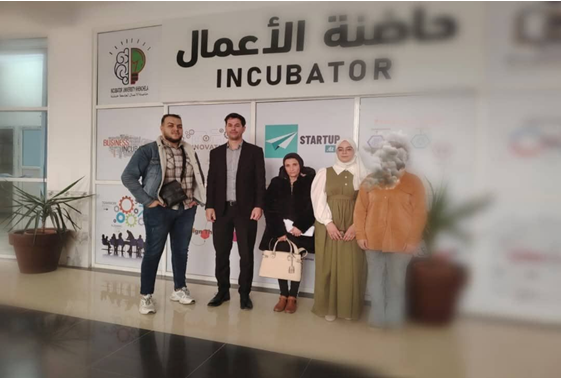
The incubator supports students and graduates in transforming their entrepreneurial ideas into viable projects. It provides assistance in developing business plans, offers legal and administrative guidance, and delivers training in market-related skills, in addition to providing fully equipped workspaces that foster creativity and innovation
Entrepreneurship Development Center:
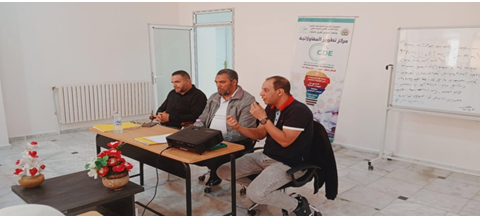
This center fosters a culture of initiative among students by empowering them to showcase their innovative ideas and projects, and by organizing training and mentoring workshops with the participation of local, national, and international experts and mentors. The center aims to engage students in economic and social decision-making within a stimulating university environment.
University Business Accelerator:
An accelerator is a specialized entity that accelerates the growth and development of startups created by students or researchers. It differs from an incubator in its focus on projects ready for rapid growth. The accelerator provides modern, well-equipped workspaces, intensive training in marketing, accounting, resource management, and law, as well as continuous support lasting from two to six months. It also gives projects the opportunity to present to funding committees or investors, and sometimes provides initial financial support to cover startup costs. A business accelerator was established at Abbes Laghrour University Khenchela based on Ministerial Decree No. 05 dated January 19, 2025
Mentorship Programs and Entrepreneurship Workshops:
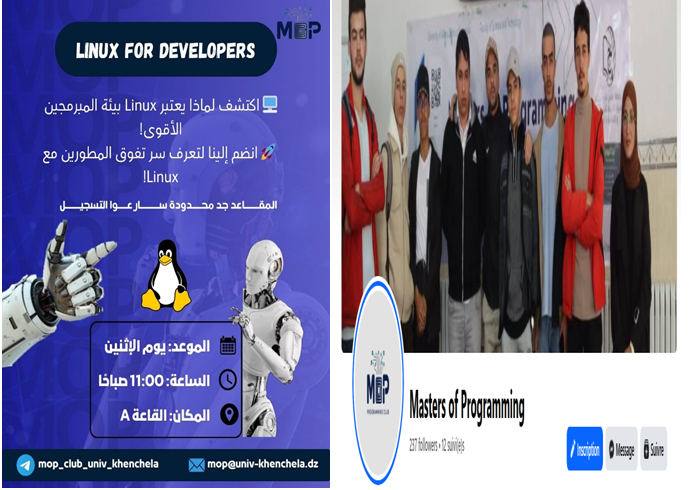
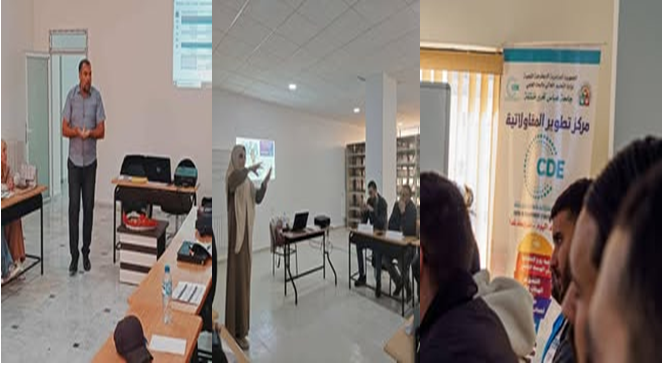
The university regularly organizes training workshops, study days, and national and international forums on entrepreneurship, in addition to job fairs and networking events attended by professionals, associations, and representatives of civil society (farmers, artisans, and unemployed youth), with the aim of transferring expertise and practical experience from the university to its local community.
Workshop on Learning Programming Using Linux
Partnerships with national bodies to support employment:
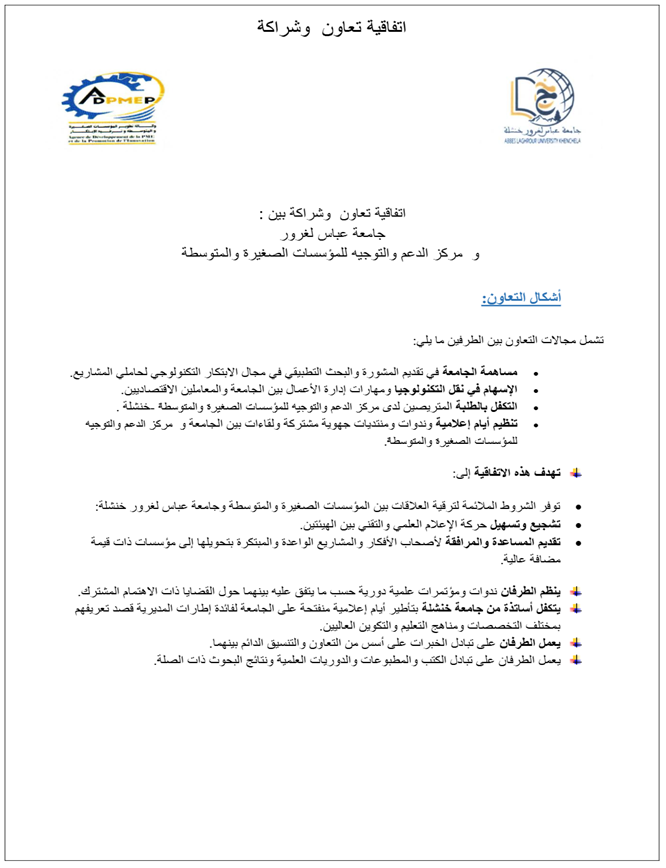
The university has established strategic partnerships with the National Agency for Youth Employment Support and other relevant bodies to facilitate student integration into the entrepreneurial world and empower them to launch their own projects, within a framework of transferring applied knowledge to the local community.
Local agreements concluded with various local stakeholders in different fields.
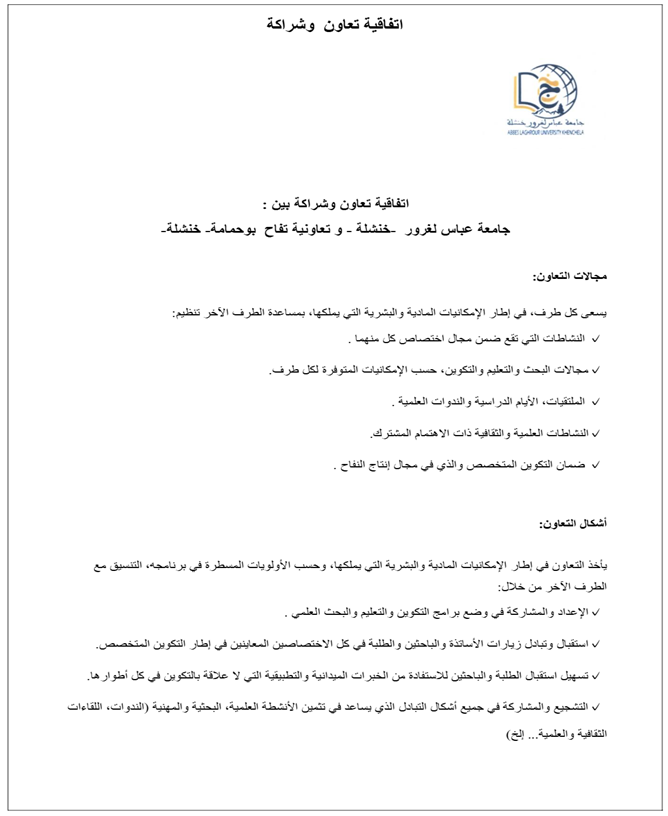
Research laboratories in the field of sustainable development and entrepreneurship:
Specialized research laboratories have been established to find scientific and practical solutions to problems related to supporting the creation of sustainable projects, both financially and socially. These include the Laboratory of Business Incubators and Local Development and the Laboratory of Sustainable Development, Startups, and Finance.
Laboratory of Sustainable Development, Startups, and Finance

Business Incubators and Local Development Laboratory

Scientific Output in the Field of Sustainable Entrepreneurship:
University professors and researchers contribute by publishing specialized research and studies on mechanisms for supporting sustainable businesses financially and socially, within the framework of promoting integration between scientific research and applied practice.
Al-Aseel Journal publishes peer-reviewed research specializing in topics including mechanisms for supporting sustainable businesses financially and socially
.https://asjp.cerist.dz/en/PresentationRevue/462
Through these programs and mechanisms, Abbes Laghrour University Khenchela affirms its role as a key driver of local development and the social economy, contributing to the achievement of the United Nations Sustainable Development Goals, particularly Goal 8 (Decent Work and Economic Growth), Goal 9 (Industry, Innovation and Infrastructure), and Goal 11 (Sustainable Cities and Communities).
01-04-02
Does your university, as an institution, provide financial assistance to the local community to help them start financially and socially sustainable businesses?
Yes, within its strategic vision for sustainable development, Abbes Laghrour University Khenchela is committed to supporting entrepreneurship and promoting sustainable economic and social projects by providing funding for various projects within the framework of business incubators that support the local community. This includes academic empowerment, vocational training, and linking scientific research with the economic and social environment.
Abbes Laghrour University also plays a pivotal role in creating an environment conducive to innovation and empowering students and researchers to develop their projects through training, mentorship, technical support, and securing funding from public and private financial institutions.
Furthermore, Abbes Laghrour University plays a pivotal role in creating an environment that fosters innovation and empowers students and researchers to develop their projects through training, mentorship, technical support, and securing funding from public and private funding institutions. In this context, the university works through a range of specialized structures and programs, including:
Business incubators that accompany students and graduates in preparing business plans and providing administrative and legal guidance.
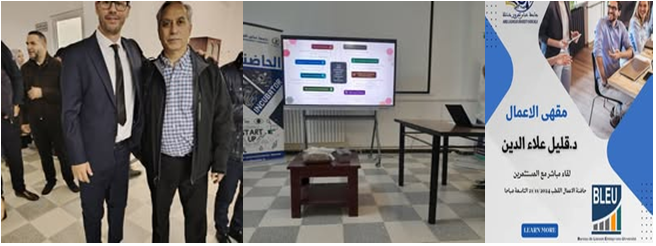
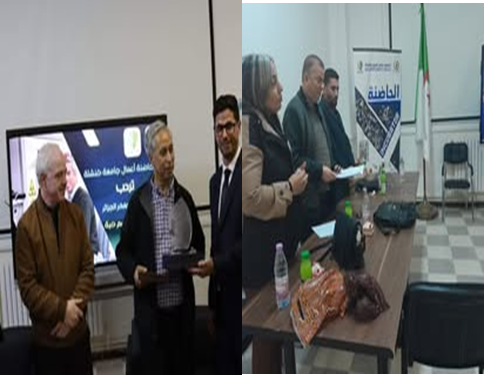
The Entrepreneurship Development Center encourages students to innovate through training workshops and exchange of experiences.
A university-based business accelerator that helps accelerate the growth of scalable startups.
Workshops and mentorship programs connect students with the local community and economic stakeholders, including institutions, professional associations, farmers, and artisans
International Workshop: Modern Technology in Agriculture: Challenges and Opportunities
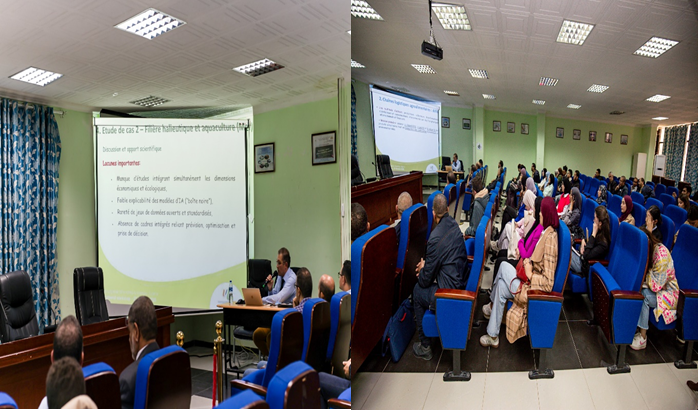
https://www.univ-khenchela.dz/?nonce=a741f99925&lang=ar&s=%D9%88%D8%B1%D8%B4%D8%A9
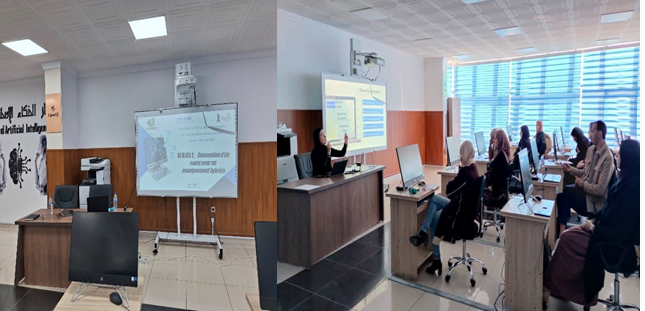
A training day at the Artificial Intelligence Center at the university, on the topic of Information and Communication Technology and Pedagogical Practices:
The university also participates in national scientific research programs such as the National Research Program (PNR) and the University Research and Training Program (PRFU), which provide funding for applied research addressing the challenges associated with creating financially and socially sustainable projects.
PNR Projects
https://pnr.dgrsdt.dz/
PRFU Projects
https://www.prfu-mesrs.dz/
The implementation of these programs is characterized by its openness to partnerships with local and economic bodies, involving civil society organizations, the economic sector, and government agencies in the design, implementation, and monitoring phases.
Partnership Agreement: University Khenchela – National Agency for the Valorization of Research and Technological Development Results (ANVREDET)
Through this integrated approach, the university plays a fundamental role in transferring knowledge and scientific research to serve local development and promote a culture of innovation and entrepreneurship, contributing to the achievement of the United Nations Sustainable Development Goals, particularly Goal 8 (Decent Work and Economic Growth), Goal 9 (Industry, Innovation and Infrastructure), and Goal 11 (Sustainable Cities and Communities).
01-04-03
Does your university, as an institution, organize training programs or workshops to improve access to basic services for all?
Yes, the university actively contributes to improving access to these services through education, scientific research, and collaboration with the local community and public authorities.
First: Community-Oriented Training Programs
The university, through its various faculties and centers, organizes training courses and workshops for the benefit of the community, particularly through:
The National Innovation Salon organized by the University Khenchela
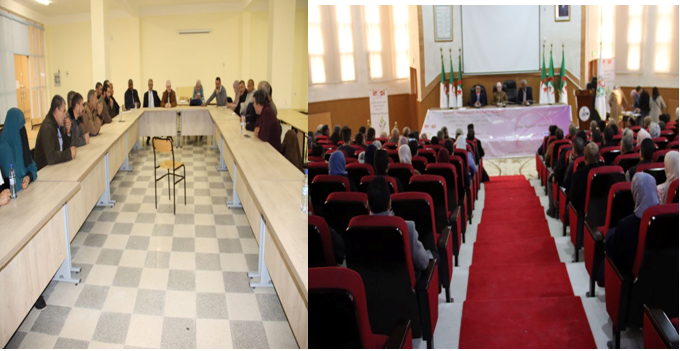
Awareness days regarding Ministerial Decision 1275 targeting emerging institutions
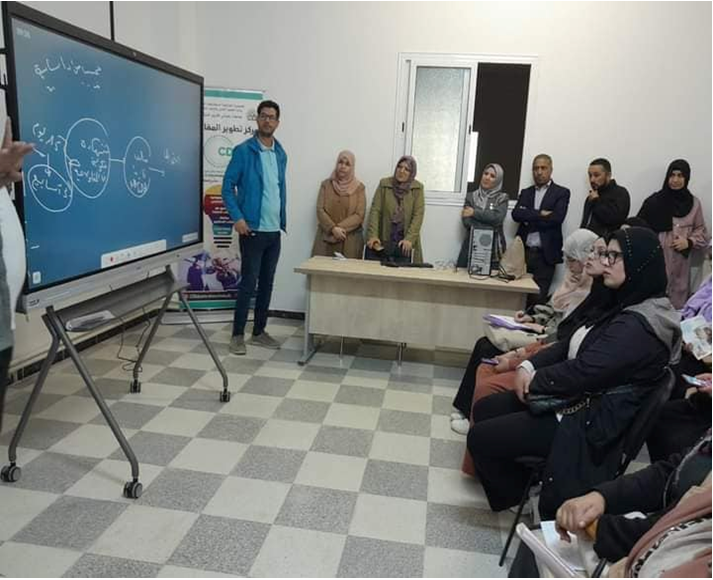
Global Entrepreneurship Week Events
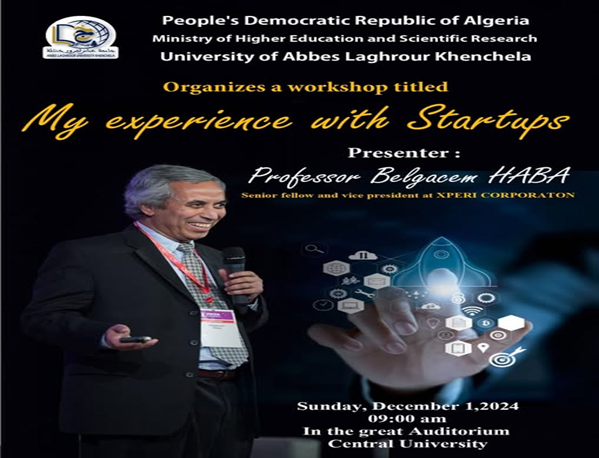
Workshops by the world-renowned Belkacem Haba
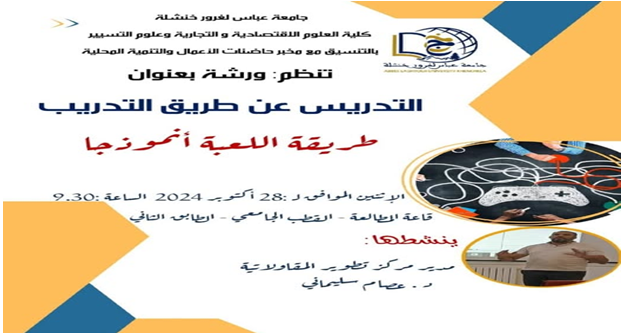
Workshops on modern teaching methods
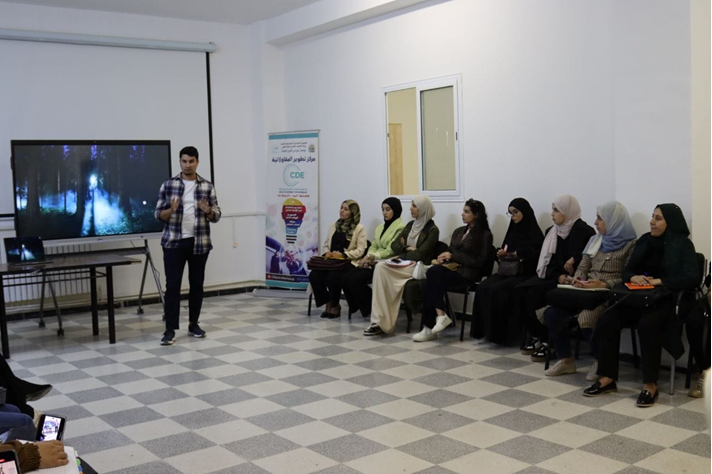
Media training workshops
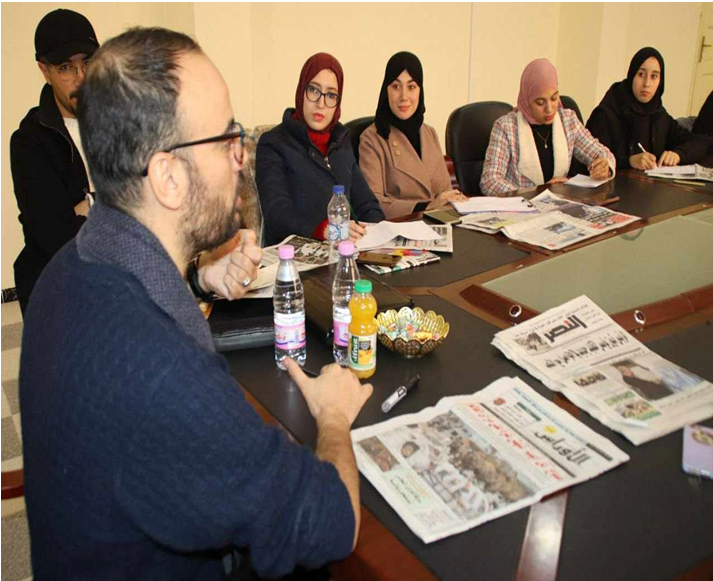
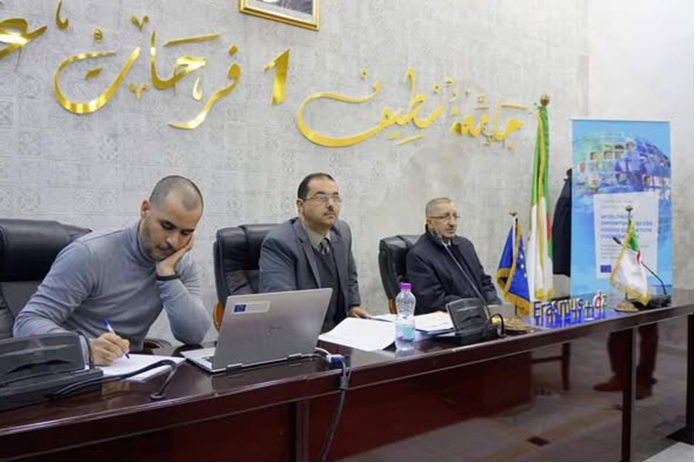
Creating Erasmus+ projects
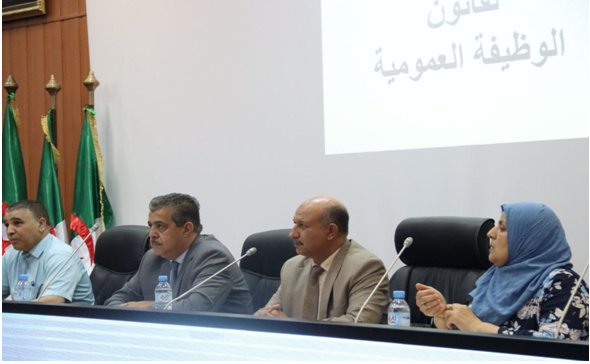
The workshop’s important topic is the establishment of private institutions in accordance with the new amendment to the Civil Service Law – the legal framework and the employee’s right to take leave to establish a private institution.
These programs aim to raise awareness among the population about their social rights, establish local agents or associations to facilitate access to services, and train professionals in vital sectors such as health, water, and local governance.
Applied Research Projects to Improve Public Services
The university encourages professors and students to conduct applied research projects in partnership with municipalities or civil society organizations, focusing on improving access to drinking water in rural areas.
Cooperation and Partnership Agreement: Abbes Laghrour University – Ministry of Agriculture and Rural Development, Khenchela.
Green Economy and Renewable Energies Laboratory 1, Research Group 04: Food Economics
Supporting sustainable urban planning;
Developing primary healthcare services in isolated areas.
Graduation projects and doctoral dissertations often address topics such as evaluating the quality of local services and proposing technical or social solutions to improve them.
Third: Partnerships with local authorities and bodies
The university has entered into cooperation agreements with municipalities, health directorates, and local associations, dedicated to providing scientific, knowledge-based, and technical support to improve planning and develop the quality of public services.
Cooperation and partnership agreement: Abbes Laghrour University – Wilaya Association for Environmental Protection and Sustainable Development – Khenchela
Fourth: Academic Support for Local Associations
The university contributes to supporting civil society associations through:
Providing expertise and scientific consultation;
Organizing joint forums and workshops;
1st Conference on AgroBioResources Sustainable Management: Agriculture & Water
Analyzing socioeconomic data to inform evidence-based local policymaking.
A national forum titled “Quantitative and Foresight Technologies and Their Role in Improving Strategic Decision-Making in the Age of Artificial Intelligence and Big Data.”
Through these integrated activities, Abbes Laghrour University Khenchela affirms its role as an academic and developmental actor serving the local community and contributing to the achievement of the United Nations Sustainable Development Goals, particularly Goal 3 (Good Health and Well-being), Goal 6 (Clean Water and Sanitation), and Goal 11 (Sustainable Cities and Communities).
01-04-04
Does your university participate in policymaking at the local, regional, national, and/or global levels to implement programs and policies aimed at eradicating poverty in all its dimensions?
Yes, as a public academic institution, Abbes Laghrour University Khenchela contributes directly and effectively to supporting and shaping developmental and social policies at the local, regional, and national levels. This is achieved by providing solutions to support these policies aimed at eradicating poverty through various scientific research projects, academic expertise, and participation in national and international initiatives related to poverty reduction and sustainable development.
This contribution is manifested in several areas:
Workshop between the Khenchela Judicial Council and Abbes Laghrour University Khenchela

Foreign language workshops for all public and private stakeholders and the university community

The Wilaya seminar of the National Observatory for Civil Society in partnership with Abbes Laghrour University Khenchela
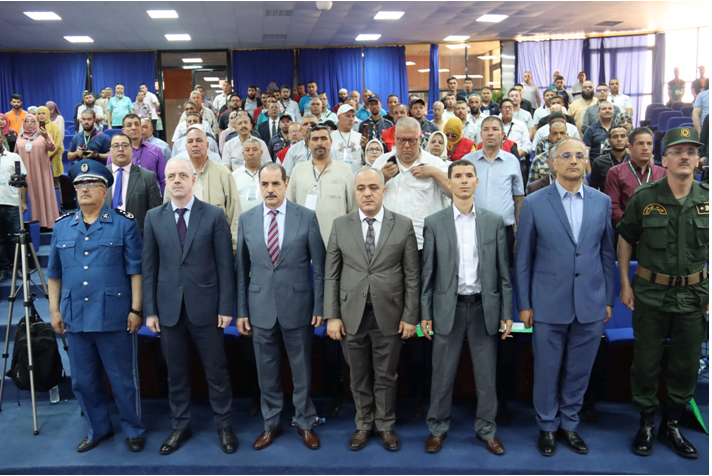
Scientific research and consultations for policymakers:
University professors and researchers contribute to the preparation of scientific studies and consultations directed to government bodies, such as the Ministry of Higher Education and Scientific Research, the Ministry of National Solidarity, and employment support agencies. These studies are used as a reference in formulating or modifying policies related to local development, social inclusion, and reducing unemployment and poverty.
Article: The Role of Scientific Research in Developing an Entrepreneurial Culture within the University:
https://asjp.cerist.dz/index.php/en/article/266437?utm_source=chatgpt.com
Article on the Dissolution of Local People’s Assemblies in Algeria and its Legal and Administrative Implications, Significant in Relating to the Integration of Local Societies and Local Policies:
https://internationaltaxjournal.online/index.php/itj/article/view/289?utm_source=chatgpt.com
Participation in Committees and Advisory Councils:
Many university professors are appointed as members of ministerial, provincial, and municipal committees concerned with economic and social development, where they provide scientific contributions to the design and implementation of public programs and policies.
Abbes Laghrour University participates in the Provincial People’s Assembly through the presence of faculty members on the Assembly, in addition to collaborating on official events and joint initiatives. Contributing to the preparation of regional development plans:
The university participates in the preparation and review of local and regional development plans in coordination with local authorities and research centers, by proposing sustainable technical and social solutions and assessing the impact of public policies on vulnerable groups.
Organizing scientific conferences and national seminars:
The university organizes scientific conferences and workshops that discuss issues of poverty, sustainable development, the social and solidarity economy, and employment, with the participation of representatives from local authorities and civil society, making it a space for dialogue and knowledge-based decision-making.
International partnerships:
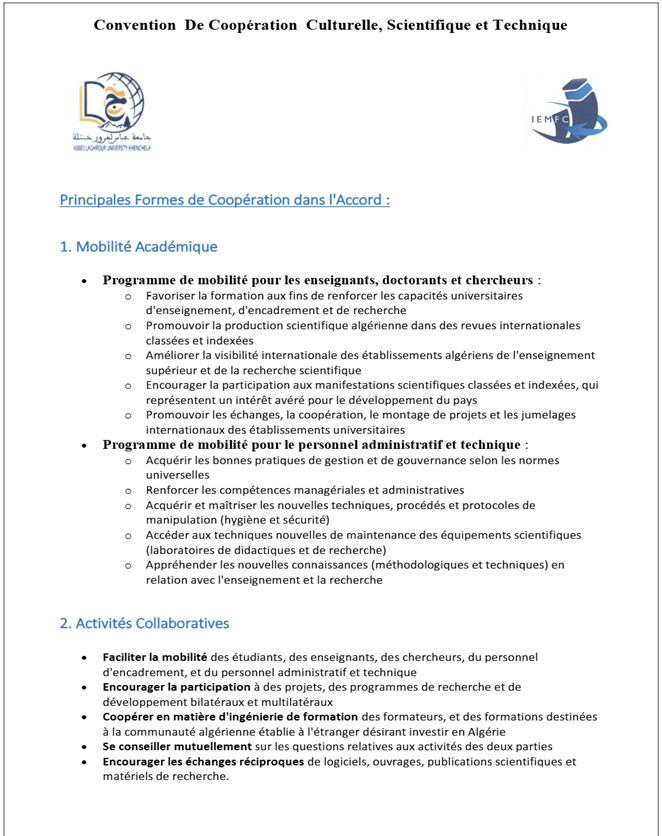
Khenchela University Cooperation Agreement — IEMFC Institute, France
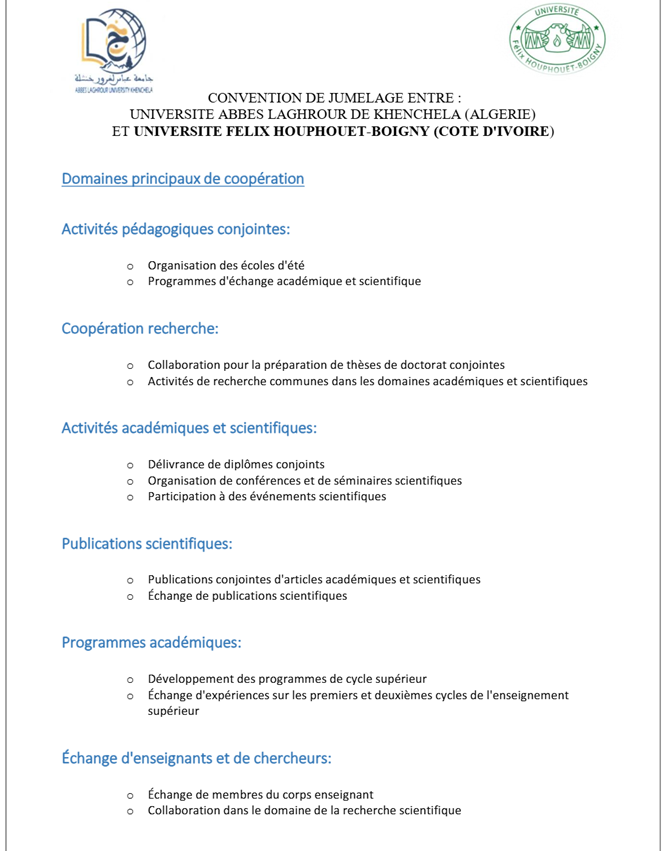
Twinning agreement between Khenchela University and Felix Houphouët-Boigny University (Ivory Coast)
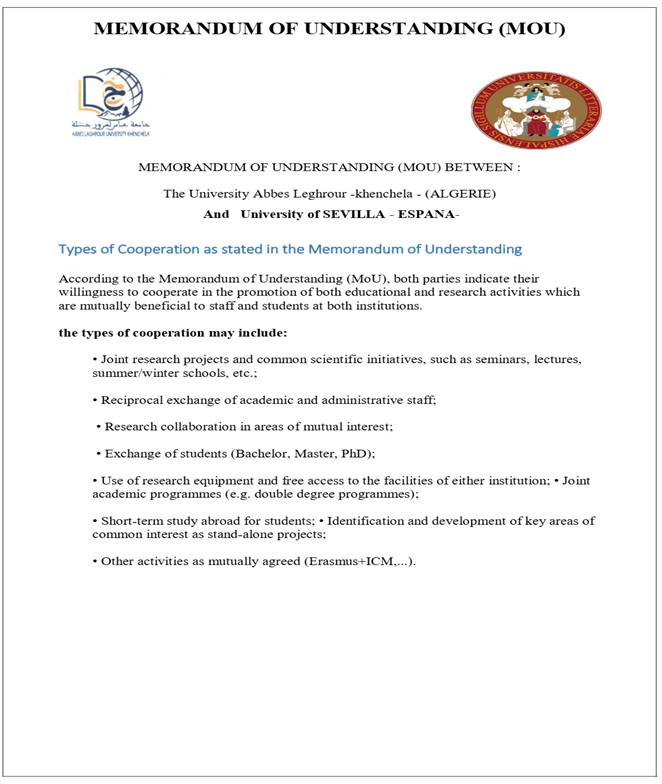
Memorandum of Understanding: University of Khenchela – University of Seville – Spain
The university participates in international programs and projects, such as Erasmus+ and Horizon Europe, and collaborates with United Nations agencies, enabling it to contribute to the implementation of global initiatives aimed at eradicating poverty and achieving sustainable development.
These activities reflect the university’s commitment to its societal and academic role in supporting the country’s efforts to achieve the Sustainable Development Goals, particularly Goal 1 (eradicating poverty) according to the United Nations 2030 Agenda.