
02
Zero Hunger
02-02 Food Waste on Campus
02-02-01
Does your university, as an institution, measure the amount of food waste generated from food served on campus? If food is outsourced, this data tracking will be necessary.
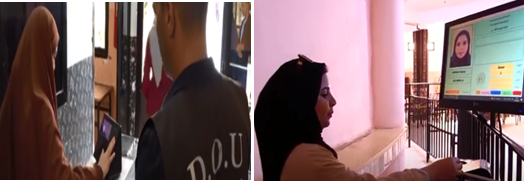
Yes. Abbes Laghrour University Khenchela, Algeria, has adopted a comprehensive and effective approach to sustainability, social welfare, and community development. Within this framework, it has digitized meal service in all student residence halls and the central cafeteria, significantly reducing food waste and improving service efficiency. This is achieved by digitally registering each student’s entry to the residence hall via facial recognition or fingerprinting, allowing for the tracking of student numbers at any given time. This enables the estimation of the number of students per meal, which is also digitally recorded. Consequently, all quantities, both served and stored, are accurately accounted for. Staff have also been trained in digitizing warehouse management. This initiative aligns with the university’s vision of building an environmentally responsible campus based on the rational use of resources and minimizing waste. A dedicated team monitors waste levels regularly to ensure the efficient and sustainable operation of food services. This structured approach has yielded tangible results, most notably a significant reduction in food waste on campus.
02-02-01-01
Total Food Waste
Yes, the amount of food wasted is measured, and what can be recycled is identified. The amount of food wasted reached 50 kg per week, of which 35 kg can be recycled, while the remaining 15 kg is discarded. This is a result of digitizing the food service process at all its stages.
02-02-01-02
Number of Campus Residents
13928
02-03 Student Hunger
02-03-01
Does your university have a program specifically addressing student food insecurity/hunger?
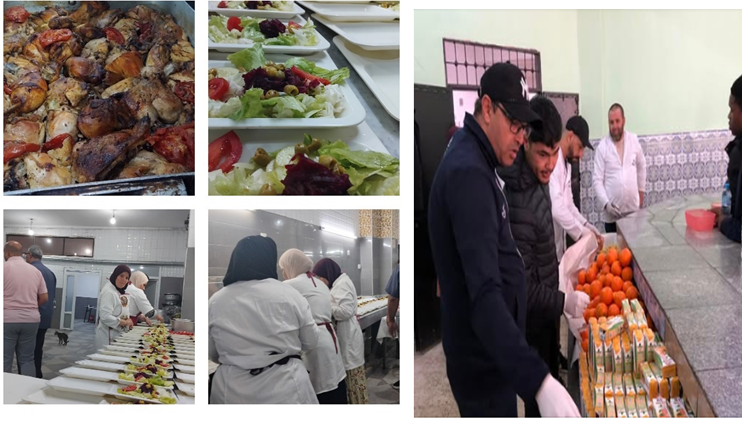
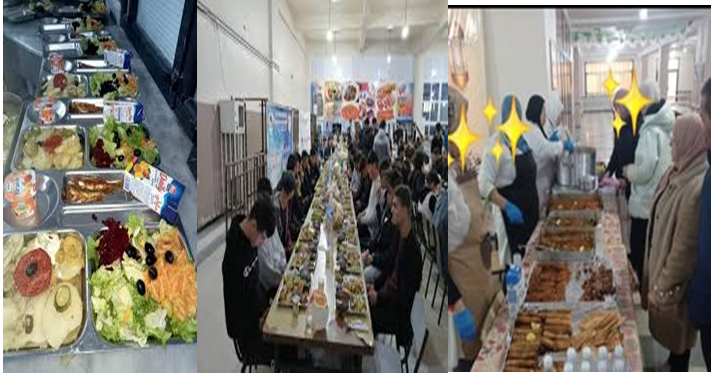
Yes, Abbes Laghrour University Khenchela is committed to ensuring food security for its students by providing three free, healthy meals daily (breakfast, lunch, and dinner), either through the central cafeteria on campus or the student residence halls.
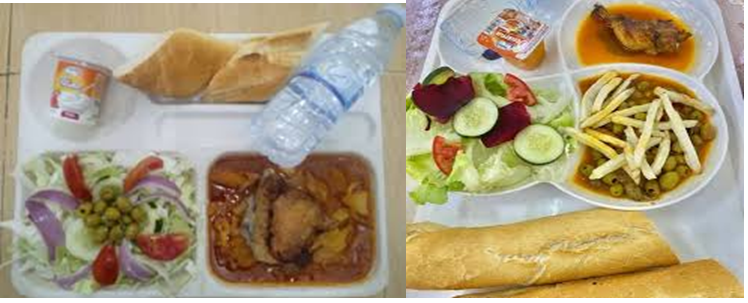
These meals are prepared according to a balanced nutritional program that takes into account the diversity of food components, in terms of protein, vitamins, and minerals, ensuring the students’ health and academic performance in suitable conditions.
The meals are also subject to regular health inspections by the relevant authorities to guarantee food quality and safety, while taking into account the specific needs of certain student groups (such as students with medical conditions or special dietary requirements).
02-03-02
Does your university, as an institution, offer interventions to prevent or alleviate hunger among students? (For example, including providing supplies and access to food banks/stores)
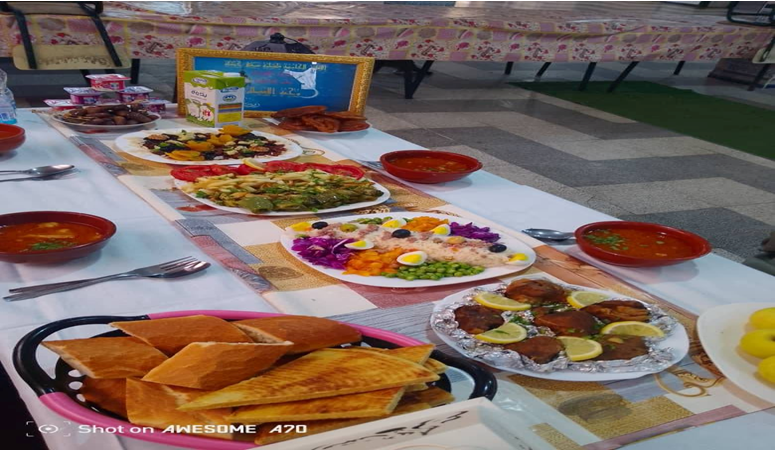
Yes, Abbes Laghrour University Khenchela works to ensure food security for students through its university catering service, which provides three healthy and balanced meals daily in the central restaurant and residence halls for both Algerian and international students. This has resulted in the absence of hunger among students. In addition, there are student-led volunteer initiatives such as solidarity caravans and communal iftar meals during Ramadan.
02-03-03
Does your university, as an institution, provide sustainable food options for everyone on campus, including vegetarian options?
Abbes Laghrour University Khenchela provides university catering services for all resident students as part of a national program that guarantees varied, balanced, and healthy daily meals. A typical meal consists of a protein source (meat, chicken, or fish), a starchy dish (rice, potatoes, or pasta), and vegetables and fruits.
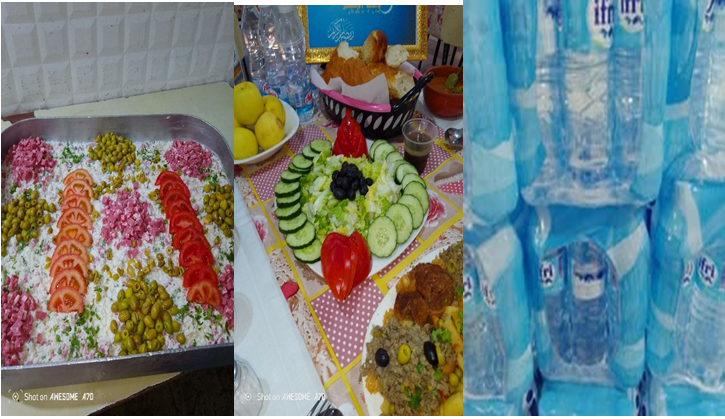
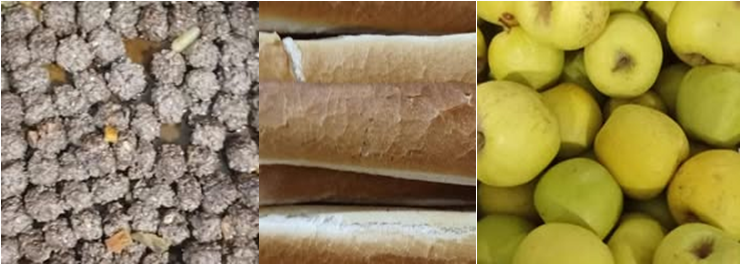
These meals are prepared according to national nutrition programs aimed at achieving nutritional balance in terms of calories and essential nutrients, which are always subject to review within future improvement policies.
02-03-04
Does your university, as an institution, provide healthy and affordable food options for everyone on campus?
Yes, Abbes Laghrour University Khenchela provides free meals through its university restaurants for everyone (staff, students, and faculty). These meals are balanced in terms of nutritional content and represent healthy options available to all, meeting modern standards.
02-03-05
Does your university, as an institution, offer interventions to prevent or alleviate hunger among staff? (For example, including providing supplies and access to food banks/stores
Yes, Abbes Laghrour University Khenchela provides free meals through its university restaurants for everyone (staff, students, and faculty). These meals are nutritionally balanced, offer healthy options, and are available to all according to modern standards. This ensures that staff do not experience hunger.
02-04
Percentage of graduates in Agriculture and Aquaculture, including sustainability aspects
02-04-01
Number of students
4235
02-04-02
Number of graduates from Agriculture and Aquaculture courses, including sustainability aspects
347
02-05 Hunger in the Homeland
02-05-01
Does your university, as an institution, provide access to knowledge, skills, or technology related to food security, sustainable agriculture, and aquaculture for local farmers and food producers?
Yes, Abbes Laghrour University Khenchela is among the Algerian universities that possess specialized scientific and training structures in the fields of food security, sustainable agriculture, and applied research in biotechnology and biological resources. These structures contribute to enhancing knowledge and transferring technology related to sustainable agricultural and food practices.
Department of Natural and Life Sciences
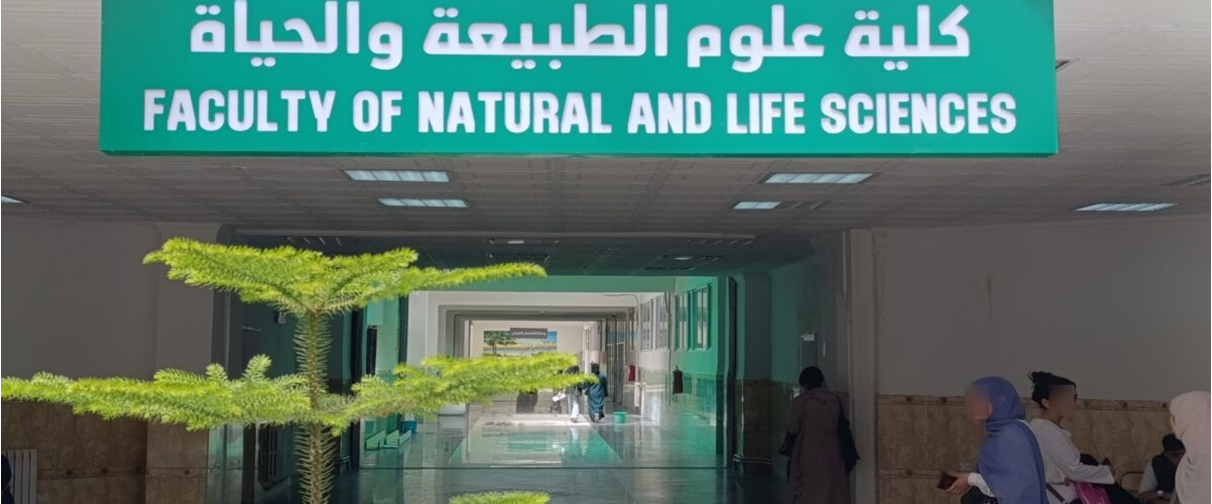
This section includes a range of disciplines that directly address issues of food security and sustainable agriculture, such as:
Agricultural Sciences
Environment and surroundings
Nutrition and Biotechnology
Professional Master’s Degree in Apple Production
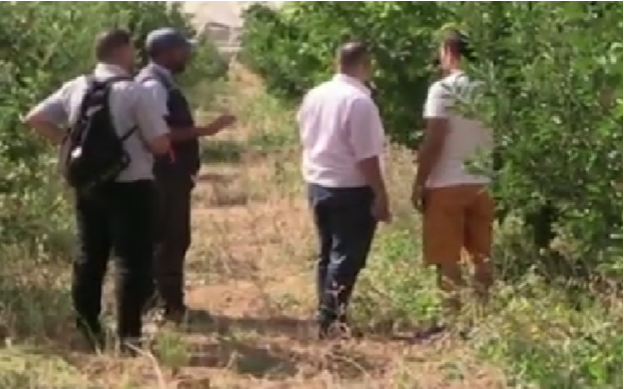
This academic program provides students with a knowledge and skills foundation in agricultural production, biodiversity, and natural resource management, contributing to the development of qualified professionals capable of contributing to the advancement of the national agricultural sector.
Specialized Laboratories and Research Teams
The university includes research teams and laboratories working on topics directly related to food security, including:
The Research Team in Biotechnology and the Biological and Nutritional Valorization of Plant and Animal Resources, which focuses on:
The use of living organisms to improve agricultural production.
The development of nutritional and functional products with high health value.
The valorization of local natural resources to achieve food security.
The results of this research are a valuable knowledge and technical resource applicable to farmers or agricultural institutions.
Training and Research Programs in Sustainable Agriculture
The university offers Bachelor’s, Master’s, and Doctoral programs in fields related to agricultural science, nutrition, and biotechnology, ensuring the development of generations of specialized researchers capable of contributing to the achievement of the Sustainable Development Goals, particularly Goal 2 (Zero Hunger).
Center for Technology and Innovation Support (CATI)

The Center for Technology and Innovation Support (CATI) serves as a platform to promote innovation and protect intellectual property within the university.
Through it, innovative projects related to:
- Agritech (agricultural technology).
- New food products.
- Or improving biological resources for agricultural or health use.
- Organizing scientific events and networking with local and international stakeholders.
World Apple Day
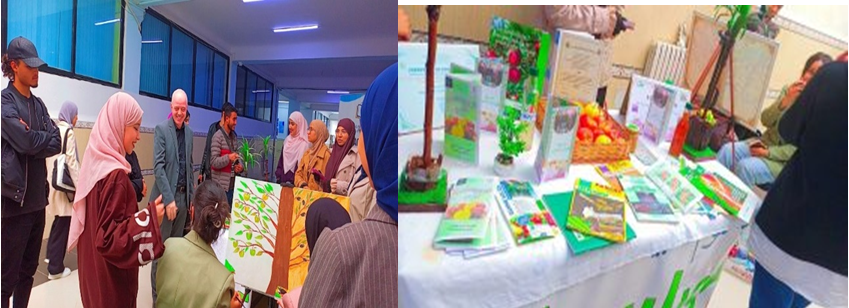
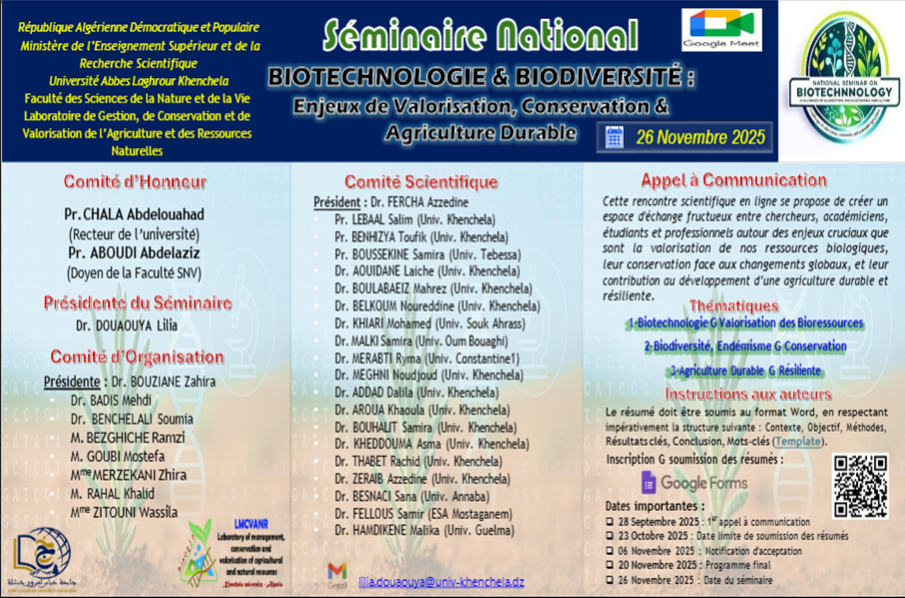
The university organizes national and international conferences and regular scientific workshops that bring together researchers, students, local farmers and food producers.
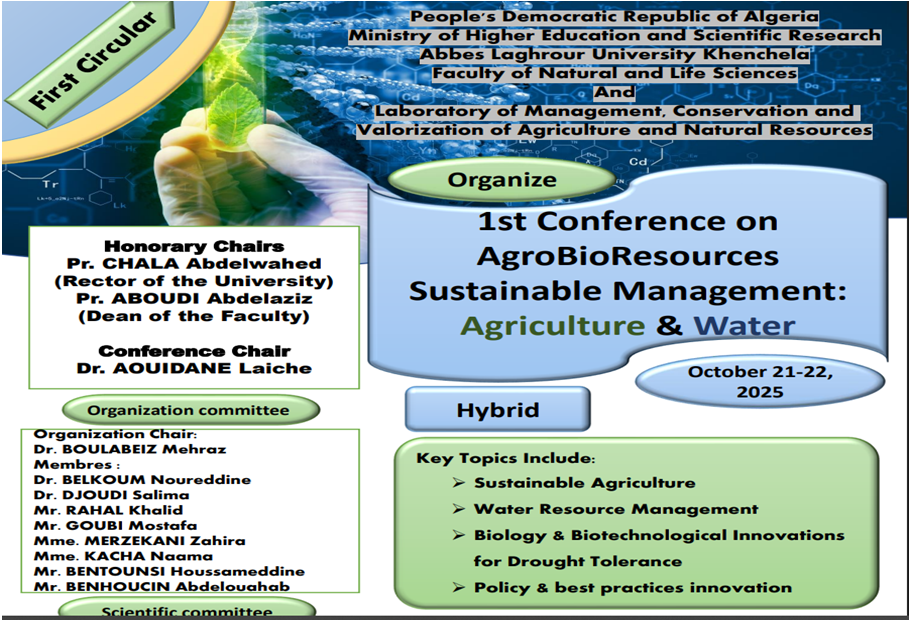
These activities aim to:
- Exchange experiences and modern scientific knowledge.
- Transfer technology and innovations to the agricultural sector.
- Support sustainable agricultural practices in the region.
- Make university facilities available to local agricultural stakeholders.
As part of the university’s policy of openness to its social and economic environment, local farmers and food producers can benefit from the university’s facilities and laboratories for research or technical purposes, whether through formal partnerships or individual consultation requests.
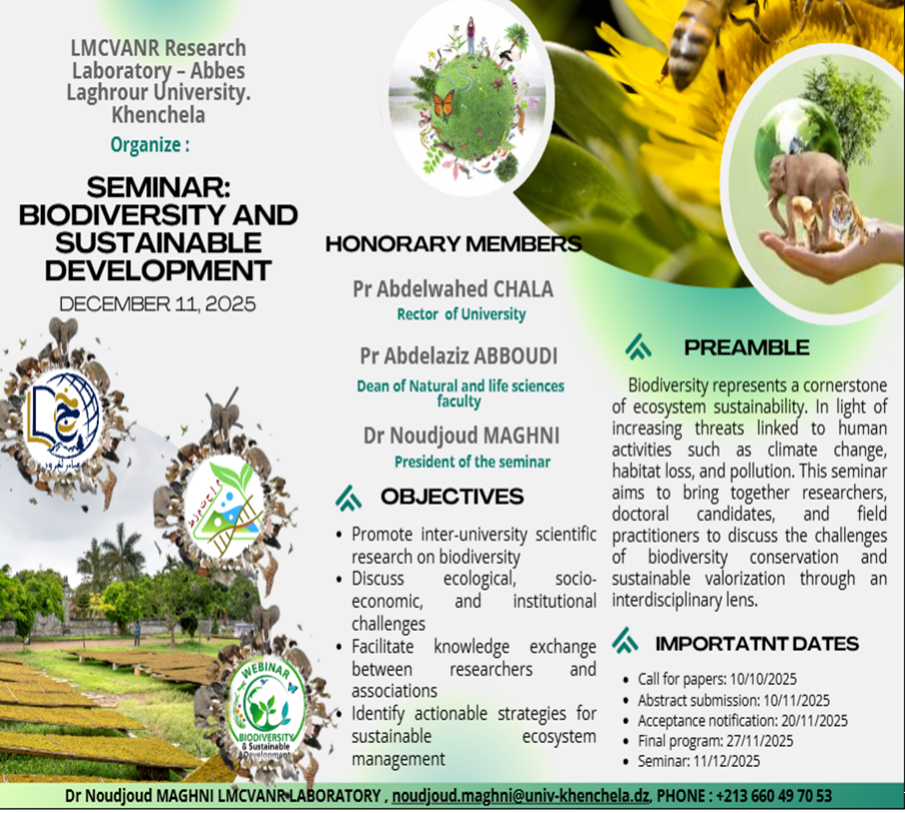
https://www.univ-khenchela.dz/events/webinaire-biodiversite-et-developpement-durable/
This includes:
- Soil and water quality analysis.
- Evaluation of local agricultural products.
- Utilizing the results of applied research to improve yields and productivity.
02-05-04
Does your university prioritize purchasing products from sustainable local sources?
All purchases are subject to strict terms and conditions to ensure the availability of sustainable local products.
Example of the format and conditions for all consultations related to supplying a college with electronic equipment.